
Our City’s General Revenue Fund Should Not Be Used to Subsidize Tax Abatement Recipients
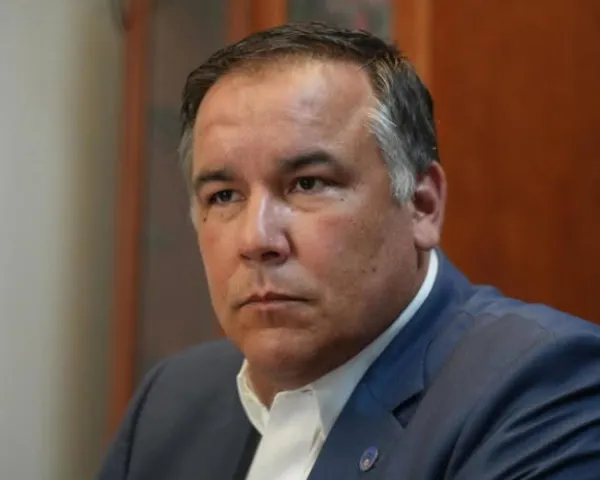
It’s bad enough that the Mayor and Columbus City Council hand out tax abatements as though every Monday is Halloween. Central Ohio leads the state in granting tax breaks to the tune of $5.82 billion. Tax abatements for wealthy developers and corporations are contributing to reduced revenue for our public schools, social services, and burdening homeowners with unattainable higher property taxes.
Ohio Revised Code 5709.82 requires the city of Columbus to “pay affected school districts 50 percent (50 percent) of the municipal income tax revenue attributable to tax abated projects where the annual ‘new employee’ payroll for a project is one million dollars for an Enterprise Zone (EZ) or for a Community Reinvestment Area (CRA) two million dollars or more, in a given tax year, during the abatement.”
Esther Flores’s recent address to Columbus City Council
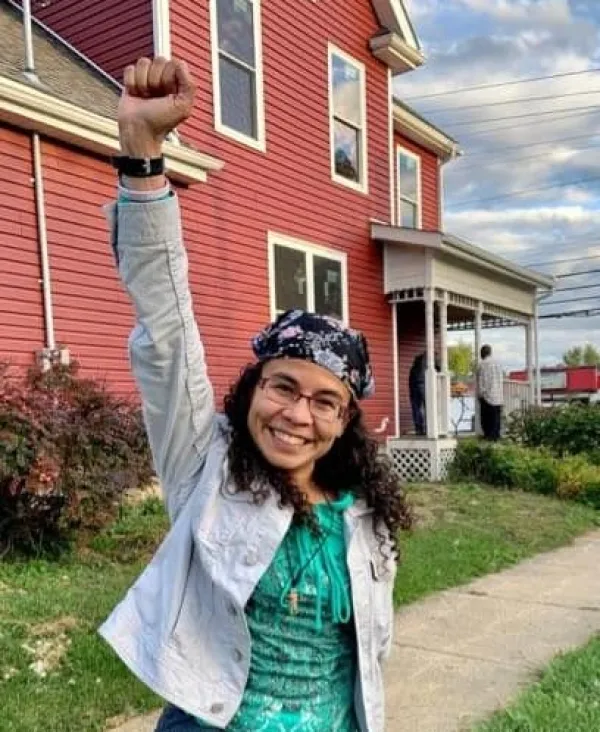
President Hardin, esteemed members of City Council, and fellow community members. Thank you for granting me an opportunity to speak before you tonight on harm reduction strategies for a healthier West Side through our compassionate client center and trauma responsive approach via 1DivineLine2Health Hilltop Drop-In Center. We are on frontlines serving those affected by human and drug trafficking. We serve their children and caregivers. An issue of immense importance to our city is the need to implement and advance effective harm reduction strategies as a cornerstone of our public health response towards substance use disorders. This is a subject that is often difficult to discuss but it is critical to the health, safety, and dignity of residents.
Sensationalism shadows ancient Ohio history, for better or for worse

Even the experts get it wrong once in a while.
Erected in 1929, on a ridge over a Maumee River floodplain south of Toledo, is an impressive statue commemorating the Battle of Fallen Timbers. It was the height of summer 1794, and a Native American confederacy made what would amount to one of several last stands against the invaders. The battle’s name was inspired by a tornado that had previously torn through the mix of prairie and forest. On the battlefield was future President William Henry Harrison, as was Tecumseh.
Near the statue is a notable rock moved here to honor the battle’s Native casualties. The legend goes a chief rallied his warriors from this rock – his last words before being gunned down. There’s decaying tobacco stuffed into chiseled holes, testimony First Nations continue to make offerings.
Beyond Translation: A New Chapter in Supporting Spanish-Language Media
Espanol below
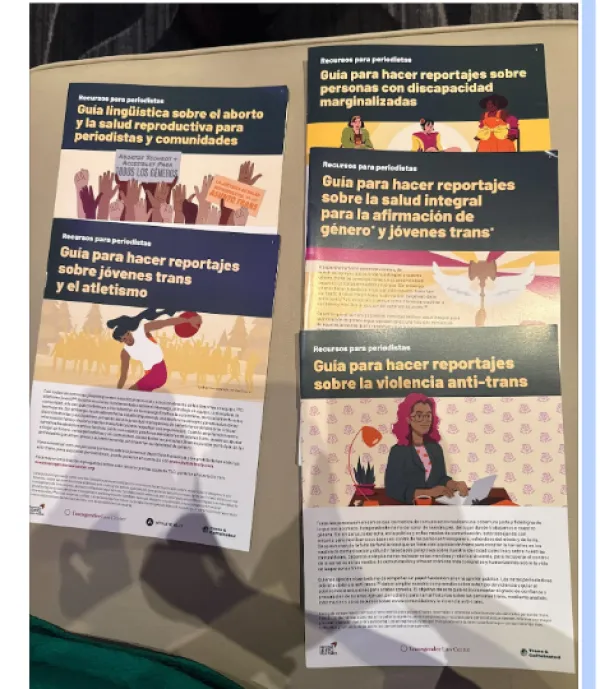
Every story deserves to be told accurately, compassionately, and thoughtfully—in every language. In a time when misinformation spreads rapidly and facts are routinely distorted, the Transgender Law Center (TLC) and the National LGBTQ Task Force remain committed to that core principle. That’s why we are proud to announce the release of our journalist guides in Spanish, a significant milestone in our work toward ensuring that Spanish-speaking reporters have culturally rooted, accessible resources to tell trans stories with dignity, nuance, and power.
Spanish is one of the most spoken languages in the U.S., including among TLC’s base. Yet Spanish-language media outlets and journalists, particularly those working with immigrant and trans communities, often do not receive the same resources and support available to other journalists. It is not uncommon for reporters to work alone, with minimal editorial support, or within a saturated media environment where misinformation and political attacks are plentiful.
Report on 7-15-2025 panel discussion on qualified immunity
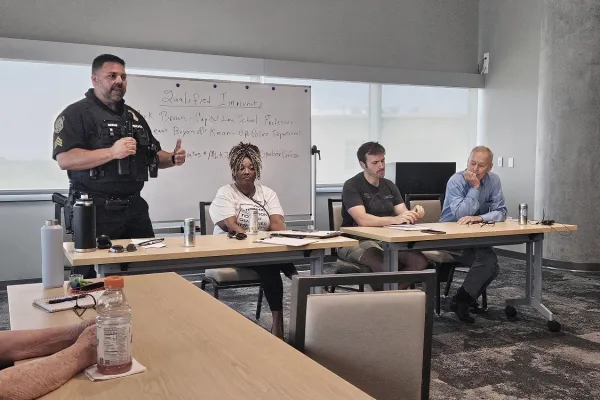
Four presenters spoke about qualified immunity and the ballot initiative to overturn qualified immunity during the weekly “Current Events” discussion group that had been held July 15, 2025 at the recently-opened Bob Crane Community Center in Upper Arlington.
Qualified immunity is a legal concept that protects government officials, for example, police officers and others, from civil liability for violating a person’s civil rights in most situations when they are acting in their professional capacity.
One speaker, Cynthia Brown, is the 2023 Free Press Libby Award winner for Community Activism. Cynthia’s passion to change the system has grown since her nephew Kareem Ali Nadir Jones was shot and killed by Columbus police in 2017. He was harassed for no good reason and ordered to get on the ground. He was then tragically shot in the face, neck, and in the back while on the ground by two white officers. Both are still with the Division.
Living Better With Less Plastic
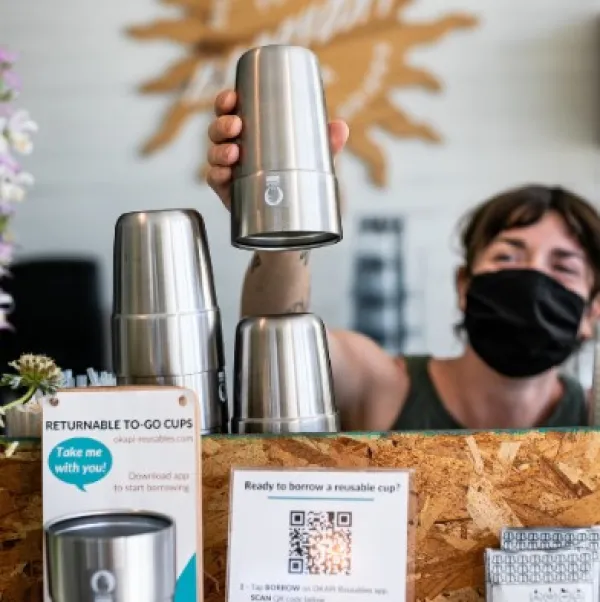
This article first appeared on Simply Living.
In honor of Plastic Free July, we thought we would highlight some helpful information for Central Ohioans who want to reduce their reliance on plastic. Whether you’re just getting started or looking to level up your plastic-free lifestyle, this guide has you covered.
In this article, you’ll find:- Easy plastic-free swaps to reduce waste at home, in cafés, and while shopping
- Ways to protect your health from microplastics and toxic plastic exposure
- Ideas for community action and local resources to support plastic-free living in Central Ohio
Plastics are used in a wide variety of ways and found in countless products. While they can be helpful and convenient, plastics are also harmful to the environment, to our health, and especially to our oceans.
Ohio House Session scheduled for July!
RED ALERT — Ohio Statehouse Republicans are trying to ruin your Summer.
The Ohio House just announced that they will pause their Summer break and return to Session for one day on Monday, July 21st. Senate Republicans are trying to schedule a Summer Session date as well.
Do they just hate spending time with their families, or what?
The House plans to override some of Governor DeWine’s budget vetoes. They specifically mentioned:
A holiday weekend of youth gun violence from Columbus to the nation

The holiday weekend’s smoke has cleared from the summer sky, but a different kind of haze lingers over cities like Columbus. It is the acrid aftermath of a celebration scarred by gunfire, a pall that hangs over communities trying to reconcile the promise of America’s birthday with the reality of its violence.
On the South Side at a house party that should have been filled with the sounds of summer, the life of 17-year-old Cameron Moore was extinguished. His death was one of at least six youth fatalities in a five-day span that saw 25 other young people wounded in shootings across America.
The bloodshed was as tragic as it was predictable. Criminologists like James Alan Fox of Northeastern University have long identified Independence Day as consistently the most violent day of the year in the United States. The holiday’s mix of large social gatherings, warm temperatures, and alcohol consumption creates a volatile environment where the presence of firearms can instantly escalate conflict to fatal ends. This year was no exception as local officials grapple with the paradox of surging violence against a backdrop of statistically declining crime.
Ohio governor vetoes LGBTQ+ book restrictions, keeps trans erasure language in budget
This article first appeared in the Buckeye Flame
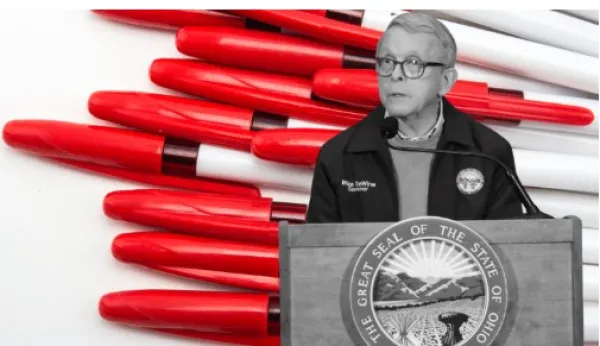
Ohio Governor Mike DeWine has signed the state’s two-year budget, vetoing three anti-LGBTQ+ measures and leaving three intact.
Shortly before the midnight deadline on June 30 to approve the budget, DeWine issued 67 line-item vetoes to the 5,500-page document.
Three key vetoesDeWine vetoed an amendment requiring all public libraries to place material related to sexual orientation or gender identity or expression out of the view of persons under the age 18.
In a document explaining his vetoes, DeWine said the language created “vague restrictions” and that current laws on obscenity and material harmful to juveniles can be used to ensure that “no child should have access to inappropriate materials or to materials that their parents or guardians deem inappropriate.”
Rewarding bad behavior: City Council gives more money to Sanctuary Night(mare), nothing to the “Saint of Sullivant Avenue”
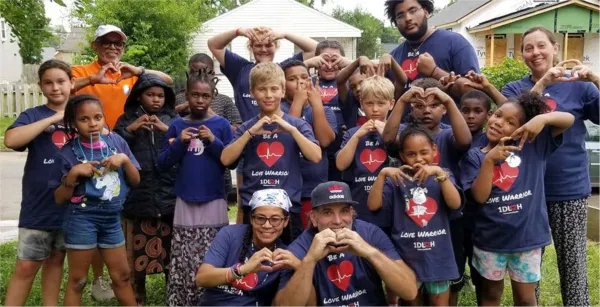
Columbus City Council last Monday awarded more money to the beleaguered Franklinton “harm reduction” drop-in center Sanctuary Night yet gave nothing to 1DivineLine2Health, the original and competent West Side drop-in center started by Esther Flores.
Flores, a registered nurse, is a Columbus pioneer. She was the first to open a drop-in center – a much-needed safe house – for the addicted “street sisters” of Franklinton, the Hilltop and the rest of the West Side, for that matter. She took it upon herself in 2015 to create what amounts to a brave and gutsy grassroots movement, risking everything to take care of thousands of sex-trafficked and homeless women and their children. Flores, a Catholic, has earned the nickname “The Saint of Sullivant Avenue” from the Free Press and was the news org’s Libby Award winner for 2021.